Yesterday, Maisy found her inner terrier.
We headed over to the Arctic Blast Fun Day, where they had several terrier events: terrier racing, go-to-ground, and barn hunt. We had so much fun! This was my second time at an Arctic Blast event (I went to observe a trial with a friend last fall), and I absolutely love the people. They're so laid back and welcoming. They taught me what the games were about, and modified things so that Maisy would be comfortable.
The first game up was terrier racing, which is similar to lure coursing in that the dogs chase an automated lure. However, it is quite different because multiple dogs run at once. The dogs are placed into a start box, chase the lure in a straight line for about 200 feet, and then enter a small hole built into a wall of straw bales to enter the catch pen. All dogs must wear muzzles for safety (both their own, and that of the catchers).
I wasn't sure what Maisy would think of this game, but she loved it. She watched one race and was hooked! She absolutely rocked her first time on the course; some dogs are a little unsure at first, but Maisy knew she wanted to chase that fake bunny, and she wanted to chase it now.
She wasn't a fan about the start box though. She ran from the box twice- once with the top open, and once with the front doors open (hopefully this makes sense when you see the video). She had no problem at all when the front door was open, but she struggled a bit with the door shut. I think this is because the mechanism that releases the front door is a bit loud; she was momentarily startled when it opened, and it took her a few seconds to recover and chase the lure. The rest of the time, I simply released Maisy from outside/in front of the box. Like I said- the terrier folks were really accommodating for us beginners! Maisy was also a bit uncertain about the finish line. While she had no trouble going through the hole when my husband or I were in the catch pen, she only went through it about half the time if one of us weren't in there.
This was the first time Maisy has worn a muzzle for extended periods of time. Although we have spent a lot of time playing with the muzzle, most of it has been shaping her to put her nose inside it and hold it there- she hasn't actually done stuff while wearing it before. She did great though! She didn't even know it was on while she was waiting her turn, and she only pawed at it after her race was over once or twice. After that, she was completely fine wearing it.
After the terrier races, they set up the go-to-ground and barn hunt games. Both of these games involve the dog finding a live rat (I felt kind of bad for the rat, even though it was safely contained). In go-to-ground, the dog must go through a series of tunnels, find the rat, and then show "sustained interest" (usually by barking) for 30-60 seconds. In barn hunt, several cages are hidden in a pile of straw bales. One has a rat in it, the others are decoys. Again, the dog must find the rat.
This was a total and complete bust. I wasn't surprised; Maisy is a cautious dog, and I didn't expect her to either run through a dark tunnel or jump on and burrow into a pile of straw bales. Again, the terrier people were really nice and brought out a rat in a cage so that Maisy could see it. The hope was that she would realize there was a point to the games, but instead, she merely sniffed at the rat, flinching slightly when the cage moved. After a few minutes of investigation, she looked at me as if to say, "That's it?"
Whatever. We still had a totally fun day. Maisy thinks terrier racing is the coolest thing she's ever done, and I was proud of her for handling an incredibly chaotic environment (all that barking!) without becoming unduly stressed, upset, or reactive. I'm already looking forward to the next fun day!

Monday, April 30, 2012

Saturday, April 28, 2012
I am a Huge Hypocrite
As someone with a (recovering) reactive dog, I hate off-leash dogs. Like many dogs, Maisy does not want other dogs to rush up to her and get in her face. We've also had some bad experiences with both not-so-friendly and way-too-friendly off-leash dogs. In either case, the result has been the same: behavioral set backs. This is why I love leash laws so much. While they aren't perfect, they do help reduce the number of unfortunate incidents we have.
At the same time, though, I kind of hate leash laws. I strongly believe that dogs need opportunities to run free. Whether they spend the time leisurely following scent trails or zooming around as fast as they can, off-leash time enriches dogs' lives. And leash laws limit that.

It's especially hard when you live in a large city, as I do. We would have to drive a significant distance to reach a rural area where it would be legal to allow her off leash. While there are many dog parks nearby, they aren't an option for us; like I said, Maisy doesn't like having strange dogs in her face. What's more, while I'd usually encourage the use of Flexis or long-lines, Maisy is a pretty, pretty princess who can neither walk on a Flexi nor tolerate dragging a line behind her. Issues, she has them.
So what's a girl to do?
Be a hypocrite, I guess. The truth is, I let my dog off leash, and I don't always do it legally. I have a few places I do this regularly. One of them is private property, and since I don't have permission, I suppose technically I'm trespassing. I don't worry about it too much; the property in question is one of the colleges I attended, and I figure that since I'm still paying for my time there, I'm entitled to use their land. But I also let her off leash in parks or on hiking trails, despite the numerous signs warning me that my actions are illegal.
I know I shouldn't do it, but I rationalize my decision by telling myself that Maisy has a very good recall. It's not perfect, but it's rare that she'll blow me off when I call. I also know which circumstances are likely to result in her ignoring me, and I avoid them. For example, if there are winged creatures (chickens, geese, turkeys, ducks, whatever), she won't listen. So I don't let her off leash in situations where we'll encounter them.
I am also very selective about when and where I let her off leash. Even though I am confident I can call her away from approaching other people or dogs, I don't want to take that risk. That's why I only let her off leash when we're alone, and only on trails where I have an unobstructed view of the trail ahead and behind us. She goes back on leash when we approach hills, turns, or heavily wooded areas, or any other situation where we might encounter others. It's still illegal, of course, but I figure the benefits outweigh the risks.
In the end, I have a real love/hate relationship with leash laws, mostly because, for all my self-righteous indignation when we're approached by an off-leash dog, I know that deep down, I'm a huge hypocrite.
At the same time, though, I kind of hate leash laws. I strongly believe that dogs need opportunities to run free. Whether they spend the time leisurely following scent trails or zooming around as fast as they can, off-leash time enriches dogs' lives. And leash laws limit that.

It's especially hard when you live in a large city, as I do. We would have to drive a significant distance to reach a rural area where it would be legal to allow her off leash. While there are many dog parks nearby, they aren't an option for us; like I said, Maisy doesn't like having strange dogs in her face. What's more, while I'd usually encourage the use of Flexis or long-lines, Maisy is a pretty, pretty princess who can neither walk on a Flexi nor tolerate dragging a line behind her. Issues, she has them.
So what's a girl to do?
Be a hypocrite, I guess. The truth is, I let my dog off leash, and I don't always do it legally. I have a few places I do this regularly. One of them is private property, and since I don't have permission, I suppose technically I'm trespassing. I don't worry about it too much; the property in question is one of the colleges I attended, and I figure that since I'm still paying for my time there, I'm entitled to use their land. But I also let her off leash in parks or on hiking trails, despite the numerous signs warning me that my actions are illegal.
I know I shouldn't do it, but I rationalize my decision by telling myself that Maisy has a very good recall. It's not perfect, but it's rare that she'll blow me off when I call. I also know which circumstances are likely to result in her ignoring me, and I avoid them. For example, if there are winged creatures (chickens, geese, turkeys, ducks, whatever), she won't listen. So I don't let her off leash in situations where we'll encounter them.
I am also very selective about when and where I let her off leash. Even though I am confident I can call her away from approaching other people or dogs, I don't want to take that risk. That's why I only let her off leash when we're alone, and only on trails where I have an unobstructed view of the trail ahead and behind us. She goes back on leash when we approach hills, turns, or heavily wooded areas, or any other situation where we might encounter others. It's still illegal, of course, but I figure the benefits outweigh the risks.
In the end, I have a real love/hate relationship with leash laws, mostly because, for all my self-righteous indignation when we're approached by an off-leash dog, I know that deep down, I'm a huge hypocrite.
Tuesday, April 24, 2012
America's Next Top Doggy Model
About a month ago, Maisy auditioned for a gig modeling Halloween costumes for Target. The audition was held by Animal Connection, a local animal acting company owned by Barbara O'Brien. Sadly, Maisy didn't get the job, but we had a wonderful experience and we got some great photos out of the deal.

First, I cannot say enough good things about Barbara, both as a person and as a photographer. Maisy is a funny little dog; she loves people, but she generally shies away when they try to touch her- even people she knows well. But she loved Barbara, and flirted shamelessly with her. Maisy must be a good judge of character, because I found Barbara to be warm, welcoming, friendly, patient, and kind- all great attributes for a photographer specializing in animals!

The audition itself was very interesting. It was held at a local training center. There was a small waiting area in the foyer and then a larger area with a full-on photography studio set up. I don't know all the technical terms, but in addition to the flooring and backdrop you can see in the pictures, there were some large, bright lights, two of those huge umbrella things, a full computer set up, and then the large, intimidating camera. For a dog who's used to smart phones and point and shoots, it must have been overwhelming.

Maisy handled it like a pro. There were a few moments of uncertainty, but no fear or reactivity. She sat where I told her, stayed when I asked, and was very, very cute. Well, I guess that last one goes without saying! Seriously, though, it was a really fun experience, one that even a year ago I didn't believe was possible. Thank you so much, Barbara, for the great experience!
You can see all of the auditions photos at this link. Maisy is about halfway down; there are about a dozen more that I didn't post here. You should also look at the other dogs that auditioned; there are some seriously cute dogs in that gallery!

Original here.
First, I cannot say enough good things about Barbara, both as a person and as a photographer. Maisy is a funny little dog; she loves people, but she generally shies away when they try to touch her- even people she knows well. But she loved Barbara, and flirted shamelessly with her. Maisy must be a good judge of character, because I found Barbara to be warm, welcoming, friendly, patient, and kind- all great attributes for a photographer specializing in animals!

Original here.
The audition itself was very interesting. It was held at a local training center. There was a small waiting area in the foyer and then a larger area with a full-on photography studio set up. I don't know all the technical terms, but in addition to the flooring and backdrop you can see in the pictures, there were some large, bright lights, two of those huge umbrella things, a full computer set up, and then the large, intimidating camera. For a dog who's used to smart phones and point and shoots, it must have been overwhelming.

Original here.
Maisy handled it like a pro. There were a few moments of uncertainty, but no fear or reactivity. She sat where I told her, stayed when I asked, and was very, very cute. Well, I guess that last one goes without saying! Seriously, though, it was a really fun experience, one that even a year ago I didn't believe was possible. Thank you so much, Barbara, for the great experience!
You can see all of the auditions photos at this link. Maisy is about halfway down; there are about a dozen more that I didn't post here. You should also look at the other dogs that auditioned; there are some seriously cute dogs in that gallery!
Sunday, April 22, 2012
We Can't Save Them All
What I’m about to write is not going to be popular. It will probably make some people mad. I may even lose a few readers. But it’s something that needs to be said.
We can’t save them all.
A Facebook friend linked to a story about 800 war dogs in Britain who were euthanized. Her thoughts echoed many of the comments on the story: this was an awful thing. Which it is. The prevailing belief was that surely these dogs could be rehabilitated. Which they probably could have been. But who was going to do it? And at what cost?
In this blog, I have documented Maisy’s journey from reactive and anxious to functional and basically normal. I absolutely believe that the combination of training, management, and appropriate medical care can help dogs live more normal lives. However, it takes a significant investment.
Don’t get me wrong- it’s been worth it- but it’s taken a lot of time. I worked with Maisy diligently for several years, and the sum total has been hundreds of hours of work. This also came with a cost; trainers, veterinary behaviorists, supplements, medications, books, seminars- it’s all expensive. I’ve spent thousands of dollars in my quest to help my dog. And it has taken its toll emotionally, as well. It is not easy to have a “crazy” dog.
What’s more, Maisy wasn’t that crazy. She was reactive, yes. She was anxious, yes. But she was not aggressive, and she does not have a bite history. We’ve had some close calls, but thankfully she’s never made physical contact with another dog or a person. She also responded beautifully to training and medication, something that does not happen for every dog. Taken together, Maisy has been a relatively easy dog for one with issues.
And it still took years. And lots of money. And a fair amount of heartache along the way. I love Maisy, and if I’d known then what I know now... well, if I'm honest, I’d do it again. She is worth it. But I would also think twice before purposely adopting another dog with issues like hers, and I can’t imagine choosing to take on a dog with even more severe behavioral concerns.
Yes, some of those dogs in the article probably could have been saved. But by whom? How do you find 800 homes that have the skills, the time, the money, the patience, and the desire to rehabilitate them? Especially when there are thousands of physically and behaviorally healthy dogs dying in shelters every day?
I’m not saying that we shouldn’t work with dogs with issues. I believe that when we take on responsibility for a dog, we owe him our time and money and patience. But we don’t all have the skills, time, or money to “fix” them. For those who fit this description, there is no shame in finding a better situation for that dog. Unfortunately, while some of these dogs can be rehomed, some cannot. In my state, if a person rehomes a dog with a bite history and the dog bites again, the original owner can be sued, even if they disclosed this information to the new owner, and even if the new owner takes on full responsibility for the dog.
The decision to euthanize a dog is not easy. One of my friends had to put his beloved dog to sleep when it began to aggress towards the new baby in the home. This man spent a ton of money on excellent trainers and veterinary behaviorists- the same ones, in fact, that helped Maisy and I. He put in the time and effort. And yet the dog- who was wonderful in many ways- still posed too great of a risk. My friend ultimately did the most responsible and loving thing he could: he gave the dog one last wonderful day, and then let him go peacefully, surrounded by people who loved him. And it broke my friend’s heart that he couldn’t save his best friend.
As for the dogs in the article? I don’t know their story. I don’t know what was tried, and what wasn’t. I don’t know why the government chose to euthanize those dogs instead of place them in new homes. Although I truly hope they tried- after all, if humans choose to use dogs for work, there should be a long-term plan for them after they’ve completed their service- there simply aren’t enough details to form an opinion.
The truth is, rescues are often in a tough spot. They have limited resources. If they’re lucky, they have a trainer who volunteers to try and help the dogs in their care. Many dogs have minor but workable behavior problems that can be resolved prior to (or even after) adoption. But some problems pose a huge liability. Should one of those dogs bite a person in their new home, it can reflect poorly on the specific rescue, and damage the reputation of rescue dogs in general.
So while the story my friend linked to was indeed awful and made me sad, I have a hard time getting worked up about it. While it’s a terrible thing to kill dogs, I also recognize that some dogs are just too far gone. For whatever reason, their behavior is too unpredictable, and their futures too uncertain.
In the end, all I know is this: We can’t save them all. And that sucks.
We can’t save them all.
A Facebook friend linked to a story about 800 war dogs in Britain who were euthanized. Her thoughts echoed many of the comments on the story: this was an awful thing. Which it is. The prevailing belief was that surely these dogs could be rehabilitated. Which they probably could have been. But who was going to do it? And at what cost?
In this blog, I have documented Maisy’s journey from reactive and anxious to functional and basically normal. I absolutely believe that the combination of training, management, and appropriate medical care can help dogs live more normal lives. However, it takes a significant investment.
Don’t get me wrong- it’s been worth it- but it’s taken a lot of time. I worked with Maisy diligently for several years, and the sum total has been hundreds of hours of work. This also came with a cost; trainers, veterinary behaviorists, supplements, medications, books, seminars- it’s all expensive. I’ve spent thousands of dollars in my quest to help my dog. And it has taken its toll emotionally, as well. It is not easy to have a “crazy” dog.
What’s more, Maisy wasn’t that crazy. She was reactive, yes. She was anxious, yes. But she was not aggressive, and she does not have a bite history. We’ve had some close calls, but thankfully she’s never made physical contact with another dog or a person. She also responded beautifully to training and medication, something that does not happen for every dog. Taken together, Maisy has been a relatively easy dog for one with issues.
And it still took years. And lots of money. And a fair amount of heartache along the way. I love Maisy, and if I’d known then what I know now... well, if I'm honest, I’d do it again. She is worth it. But I would also think twice before purposely adopting another dog with issues like hers, and I can’t imagine choosing to take on a dog with even more severe behavioral concerns.
Yes, some of those dogs in the article probably could have been saved. But by whom? How do you find 800 homes that have the skills, the time, the money, the patience, and the desire to rehabilitate them? Especially when there are thousands of physically and behaviorally healthy dogs dying in shelters every day?
I’m not saying that we shouldn’t work with dogs with issues. I believe that when we take on responsibility for a dog, we owe him our time and money and patience. But we don’t all have the skills, time, or money to “fix” them. For those who fit this description, there is no shame in finding a better situation for that dog. Unfortunately, while some of these dogs can be rehomed, some cannot. In my state, if a person rehomes a dog with a bite history and the dog bites again, the original owner can be sued, even if they disclosed this information to the new owner, and even if the new owner takes on full responsibility for the dog.
The decision to euthanize a dog is not easy. One of my friends had to put his beloved dog to sleep when it began to aggress towards the new baby in the home. This man spent a ton of money on excellent trainers and veterinary behaviorists- the same ones, in fact, that helped Maisy and I. He put in the time and effort. And yet the dog- who was wonderful in many ways- still posed too great of a risk. My friend ultimately did the most responsible and loving thing he could: he gave the dog one last wonderful day, and then let him go peacefully, surrounded by people who loved him. And it broke my friend’s heart that he couldn’t save his best friend.
As for the dogs in the article? I don’t know their story. I don’t know what was tried, and what wasn’t. I don’t know why the government chose to euthanize those dogs instead of place them in new homes. Although I truly hope they tried- after all, if humans choose to use dogs for work, there should be a long-term plan for them after they’ve completed their service- there simply aren’t enough details to form an opinion.
The truth is, rescues are often in a tough spot. They have limited resources. If they’re lucky, they have a trainer who volunteers to try and help the dogs in their care. Many dogs have minor but workable behavior problems that can be resolved prior to (or even after) adoption. But some problems pose a huge liability. Should one of those dogs bite a person in their new home, it can reflect poorly on the specific rescue, and damage the reputation of rescue dogs in general.
So while the story my friend linked to was indeed awful and made me sad, I have a hard time getting worked up about it. While it’s a terrible thing to kill dogs, I also recognize that some dogs are just too far gone. For whatever reason, their behavior is too unpredictable, and their futures too uncertain.
In the end, all I know is this: We can’t save them all. And that sucks.
Wednesday, April 18, 2012
Anatomy of an NQ
Despite our success at the CDSP trial last weekend, our first run was an NQ. I was totally bummed out about this. It wasn't the NQ itself that bothered me (they happen), it was how it happened. See for yourself (the non-qualifying moment happens about about 3:20):
I knew we were in trouble as soon as I walked in to the trial site that morning. Maisy was wild with excitement. Last week was difficult for two reasons. Although I don't think it really impacted her much, in the days leading up to the trial, the city was tearing up a street near our house. It made some weird noise, but Maisy seemed okay.
What probably made the bigger difference was me. I've been doing some physical therapy for a shoulder injury, and while I'm seeing improvements, it's a painful process. This has meant that Maisy has not gotten much (okay, any) attention in the last few weeks. Her life has been very boring, so when we got to a trial! With friends! And people who might be friends! Maisy was pretty “up.”
Here's the thing: although it was good stress, it was still stress. A lot of the same neurotransmitters and hormones are at play whether it's eustress or distress, so the end result was basically the same. Maisy was highly aroused.
The honor was also located in a very difficult location. You can see that we are standing directly next to the ring gates, and on the other side was the general crating/warm-up area. What's more, our backs were directly to the main door in and out of the trial site. So there were a lot of distractions in all directions.
As you can see in the video, despite all this, Maisy performed very well during the rest of the exercises. She was remarkably focused and responsive to cues, a fact that I attribute to her knowing what's expected of her. We have worked on those other exercises often. I train using her tennis ball so that she can learn to think through arousal, and we work in high distraction environments. She understands heeling very well.
But if I'm honest... I haven't put even a tenth of the effort into stays. I find them boring, so I haven't spent the time I should have proofing them. While I've taught her to stay put, and I've made a half-hearted attempt to introduce distractions, I really haven't spent the time needed to create a stay worthy of a trial. Bad trainer.
So all of this came together- a difficult week, an aroused dog, a tricky honor location, and a complete lack of training- to form an NQ.
I'm not upset with Maisy at all for her performance, although I am sad that she broke her honor in order to bark at the other dog in the ring. (Incidentally, when I apologized to both the judge and the other handler, neither of them had realized what Maisy had done! What's more, the judge told me not to worry about it- dogs bark at trials, and there's really no difference between doing it in the ring or two feet further away outside the ring. Since both dogs are on leash, nothing bad can happen.)
In fact, the NQ brought about one of the moments that I am most proud of: the way Maisy checked in with me before barking at the other dog. If you go back and watch the video, you'll notice that she stands, tenses, and then looks at me for direction. I asked her to lie down... and she did! If I had been thinking quick enough and rewarded that, I might have been able to prevent the subsequent rush towards the working dog. So even though the end result was the same, I am beyond thrilled; it's a long cry from the days when she didn't even consider where I was or what I was doing when she was at her threshold.
I didn't plan to take her back into the ring for the second trial, but she had relaxed in her car crate, taken a nice long awareness walk in the field behind the trial site, and then insistently pulled me back into the building. When we got inside, she laid down, rolled on to one hip, and just chilled. She was still mildly stressed (video here), but nothing that I was overly concerned about. So I entered the second run, and came back with a 197 and 4th place.
I'll admit it: after the trial, I was freaking out. My philosophy has always been that obedience should be fun for both of us, and that if Maisy is overly stressed, I won't make her do it. The trick, of course, is figuring out how much is too much stress. So, I emailed Maisy's veterinary behaviorist. She said that while Maisy had “a bad moment” during the honor stay, she didn't think we needed to quit entirely. Because Maisy looked really good in the ring, because she was able to recover and do so well during the second trial, and because her stress behavior outside the ring was so mild, she thought that if I did a better job training the stay so that Maisy would know what to expect, it would be just fine to continue competing with her.
So that's where we are. I'll spend the next couple of months working on stays with Maisy. Hopefully, when the next trial rolls around in July, we'll completely rock it and get her title. And if not, well... we'll have fun trying! And that's the most important thing anyway.
I knew we were in trouble as soon as I walked in to the trial site that morning. Maisy was wild with excitement. Last week was difficult for two reasons. Although I don't think it really impacted her much, in the days leading up to the trial, the city was tearing up a street near our house. It made some weird noise, but Maisy seemed okay.
What probably made the bigger difference was me. I've been doing some physical therapy for a shoulder injury, and while I'm seeing improvements, it's a painful process. This has meant that Maisy has not gotten much (okay, any) attention in the last few weeks. Her life has been very boring, so when we got to a trial! With friends! And people who might be friends! Maisy was pretty “up.”
Here's the thing: although it was good stress, it was still stress. A lot of the same neurotransmitters and hormones are at play whether it's eustress or distress, so the end result was basically the same. Maisy was highly aroused.
The honor was also located in a very difficult location. You can see that we are standing directly next to the ring gates, and on the other side was the general crating/warm-up area. What's more, our backs were directly to the main door in and out of the trial site. So there were a lot of distractions in all directions.
As you can see in the video, despite all this, Maisy performed very well during the rest of the exercises. She was remarkably focused and responsive to cues, a fact that I attribute to her knowing what's expected of her. We have worked on those other exercises often. I train using her tennis ball so that she can learn to think through arousal, and we work in high distraction environments. She understands heeling very well.
But if I'm honest... I haven't put even a tenth of the effort into stays. I find them boring, so I haven't spent the time I should have proofing them. While I've taught her to stay put, and I've made a half-hearted attempt to introduce distractions, I really haven't spent the time needed to create a stay worthy of a trial. Bad trainer.
So all of this came together- a difficult week, an aroused dog, a tricky honor location, and a complete lack of training- to form an NQ.
I'm not upset with Maisy at all for her performance, although I am sad that she broke her honor in order to bark at the other dog in the ring. (Incidentally, when I apologized to both the judge and the other handler, neither of them had realized what Maisy had done! What's more, the judge told me not to worry about it- dogs bark at trials, and there's really no difference between doing it in the ring or two feet further away outside the ring. Since both dogs are on leash, nothing bad can happen.)
In fact, the NQ brought about one of the moments that I am most proud of: the way Maisy checked in with me before barking at the other dog. If you go back and watch the video, you'll notice that she stands, tenses, and then looks at me for direction. I asked her to lie down... and she did! If I had been thinking quick enough and rewarded that, I might have been able to prevent the subsequent rush towards the working dog. So even though the end result was the same, I am beyond thrilled; it's a long cry from the days when she didn't even consider where I was or what I was doing when she was at her threshold.
I didn't plan to take her back into the ring for the second trial, but she had relaxed in her car crate, taken a nice long awareness walk in the field behind the trial site, and then insistently pulled me back into the building. When we got inside, she laid down, rolled on to one hip, and just chilled. She was still mildly stressed (video here), but nothing that I was overly concerned about. So I entered the second run, and came back with a 197 and 4th place.
I'll admit it: after the trial, I was freaking out. My philosophy has always been that obedience should be fun for both of us, and that if Maisy is overly stressed, I won't make her do it. The trick, of course, is figuring out how much is too much stress. So, I emailed Maisy's veterinary behaviorist. She said that while Maisy had “a bad moment” during the honor stay, she didn't think we needed to quit entirely. Because Maisy looked really good in the ring, because she was able to recover and do so well during the second trial, and because her stress behavior outside the ring was so mild, she thought that if I did a better job training the stay so that Maisy would know what to expect, it would be just fine to continue competing with her.
So that's where we are. I'll spend the next couple of months working on stays with Maisy. Hopefully, when the next trial rolls around in July, we'll completely rock it and get her title. And if not, well... we'll have fun trying! And that's the most important thing anyway.
Sunday, April 15, 2012
CDSP Trial: 2nd Novice B leg!
Maisy and I went to a CDSP obedience trial this weekend. Although she's not perfect (we had an NQ on our first run of the day- more on that later this week), she tries hard and is capable of some excellent work:
She received a 197 for 4th place. She was also the high scoring mixed breed of the day! Go Maisy!
She received a 197 for 4th place. She was also the high scoring mixed breed of the day! Go Maisy!
Thursday, April 12, 2012
Be True
Have you ever heard the expression, “The only thing two trainers can agree on is that the third trainer is wrong?” While a bit hyperbolic, the underlying message is true. I spend a lot of time lurking on email lists and blogs. I’ve read dozens of books. I go to seminars every chance I get. And if there’s anything I’ve learned, it’s that there are some strong disagreements about the best way to train a dog.
So what’s the deal? How can all of these wildly contradictory methods be right? Are some of the examples just a fluke? Are people lying? I don’t think so. Even when I’m sitting there, shaking my head, I still believe that their method works. Just not for my dog. Or, perhaps more accurately, for me.

I began thinking about this recently after I attended the Jane Killion seminar. As I said then, Jane is an incredibly talented trainer, and I have no doubt that she gets amazing results from the dogs she works with. But I just couldn’t imagine emulating her. No matter how wonderful her results, I just couldn’t see myself doing those same things with my dog. Not because she’s wrong. Because I am not her.
When I was in college, I was taught that the social worker’s greatest tool is not the theories we were learning. Nor is it the interpersonal techniques we learned. Instead, the social worker’s greatest tool is her self. We spent an almost painful amount of time exploring our past. We needed to examine how our personalities, beliefs, values, cultures, and experiences would impact our work. To become a good social worker, we were told, you must master both the clinical skills learned in school and authentically integrate your self into that process.
Although I hated those classes, I have come to appreciate the message. I cannot be anyone except who I am, and trying to put on what I perceive to be the “correct” social worker persona has been fruitless. People can spot a fake a mile away, and since my work is dependent on my ability to form relationships with my clients, I need to be genuine. My professional knowledge and skills are best implemented when done in a way that is consistent with my personality. Or to put it more simply: my best work happens when I am honestly and truly myself.
The same thing is true when it comes to dog training. It seems to me that perhaps the hardest part of teaching our dogs is not learning the theories and the skills needed, but rather, finding a way to use that knowledge and those abilities in an authentic way.
Of course, this is not to say that we shouldn’t adapt our approaches. One of the most basic principles of social work is to meet your client where they are. Regardless of the species, everyone I work with is an individual. You have to train the dog in front of you. Therefore, the challenge in dog training is finding a way to meet the dog’s needs while still remaining true to your self.
Personally, I have found that I do best- with both people and dogs- when I can praise often and laugh with abandon. It is impossible for me to separate out my sometimes quirky sense of humor from my professional self. Sometimes I need to temper it, but I would be as fake as a five dollar bill (bonus points to anyone who gets that joke!) if I couldn’t express that part of my self at all. As a result, I have found that Denise Fenzi’s highly energetic and enthusiastic style resonates deeply with me, and I am forever grateful that she showed me it’s possible to train that way.
What about you? How do you use your self in training? Have you found some styles work better with your personality than others? Let me know!
Further Reading on the Concept of Self in Social Work
The Conscious Use of Self, by Heydt and Sherman
An Introduction to Use of Self in Field Placement, by Walters
Use of Self and Ethics Risk Management, by Reamer
So what’s the deal? How can all of these wildly contradictory methods be right? Are some of the examples just a fluke? Are people lying? I don’t think so. Even when I’m sitting there, shaking my head, I still believe that their method works. Just not for my dog. Or, perhaps more accurately, for me.
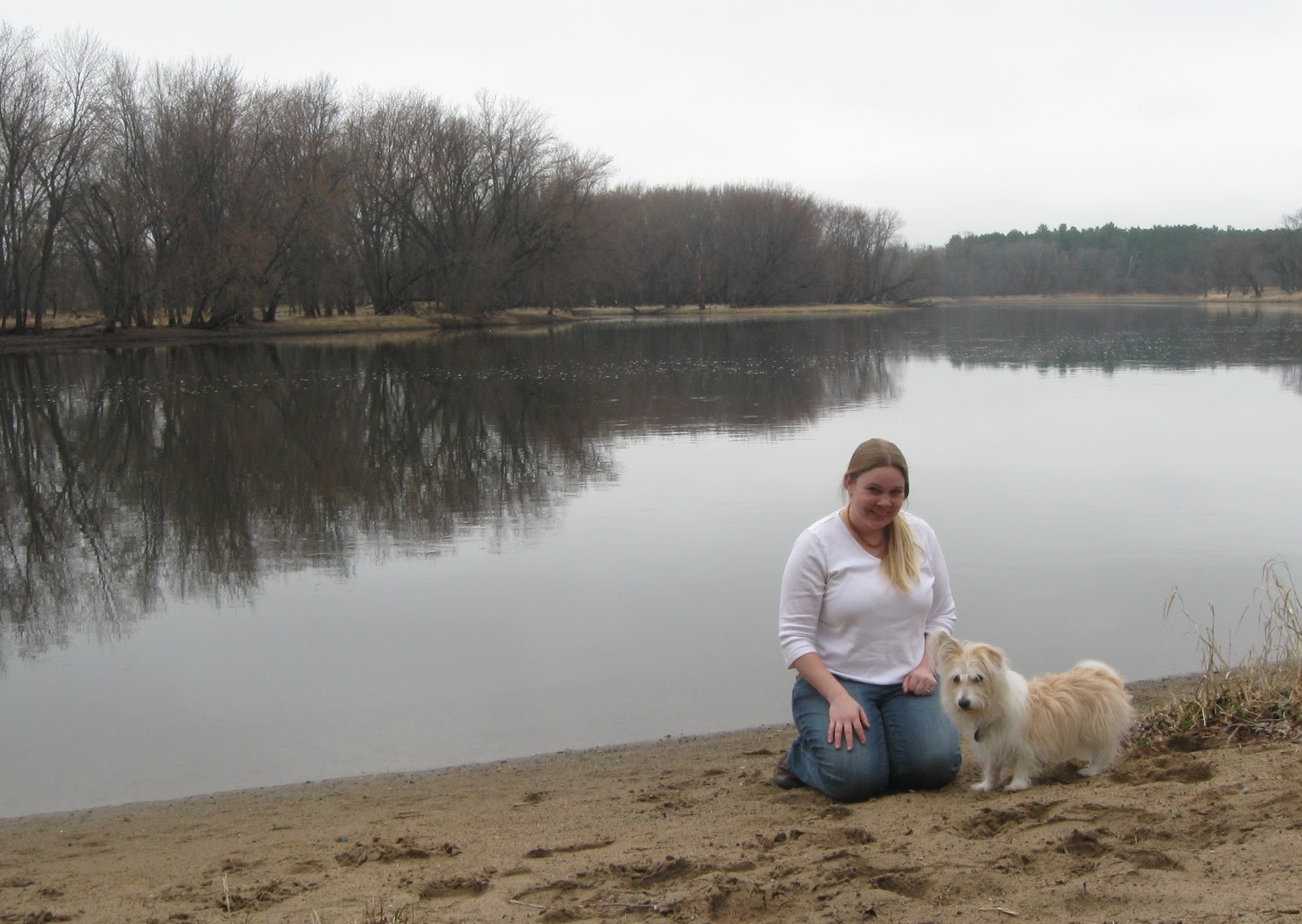
I began thinking about this recently after I attended the Jane Killion seminar. As I said then, Jane is an incredibly talented trainer, and I have no doubt that she gets amazing results from the dogs she works with. But I just couldn’t imagine emulating her. No matter how wonderful her results, I just couldn’t see myself doing those same things with my dog. Not because she’s wrong. Because I am not her.
When I was in college, I was taught that the social worker’s greatest tool is not the theories we were learning. Nor is it the interpersonal techniques we learned. Instead, the social worker’s greatest tool is her self. We spent an almost painful amount of time exploring our past. We needed to examine how our personalities, beliefs, values, cultures, and experiences would impact our work. To become a good social worker, we were told, you must master both the clinical skills learned in school and authentically integrate your self into that process.
Although I hated those classes, I have come to appreciate the message. I cannot be anyone except who I am, and trying to put on what I perceive to be the “correct” social worker persona has been fruitless. People can spot a fake a mile away, and since my work is dependent on my ability to form relationships with my clients, I need to be genuine. My professional knowledge and skills are best implemented when done in a way that is consistent with my personality. Or to put it more simply: my best work happens when I am honestly and truly myself.
The same thing is true when it comes to dog training. It seems to me that perhaps the hardest part of teaching our dogs is not learning the theories and the skills needed, but rather, finding a way to use that knowledge and those abilities in an authentic way.
Of course, this is not to say that we shouldn’t adapt our approaches. One of the most basic principles of social work is to meet your client where they are. Regardless of the species, everyone I work with is an individual. You have to train the dog in front of you. Therefore, the challenge in dog training is finding a way to meet the dog’s needs while still remaining true to your self.
Personally, I have found that I do best- with both people and dogs- when I can praise often and laugh with abandon. It is impossible for me to separate out my sometimes quirky sense of humor from my professional self. Sometimes I need to temper it, but I would be as fake as a five dollar bill (bonus points to anyone who gets that joke!) if I couldn’t express that part of my self at all. As a result, I have found that Denise Fenzi’s highly energetic and enthusiastic style resonates deeply with me, and I am forever grateful that she showed me it’s possible to train that way.
What about you? How do you use your self in training? Have you found some styles work better with your personality than others? Let me know!
Further Reading on the Concept of Self in Social Work
The Conscious Use of Self, by Heydt and Sherman
An Introduction to Use of Self in Field Placement, by Walters
Use of Self and Ethics Risk Management, by Reamer
Subscribe to:
Posts (Atom)